Direct Mail for Veterinary Marketing: Get New Clients
Learn how direct mail helps veterinary practices reach new pet owners, track ROI, and drive calls with offers, timing, and smart targeting.
.svg)
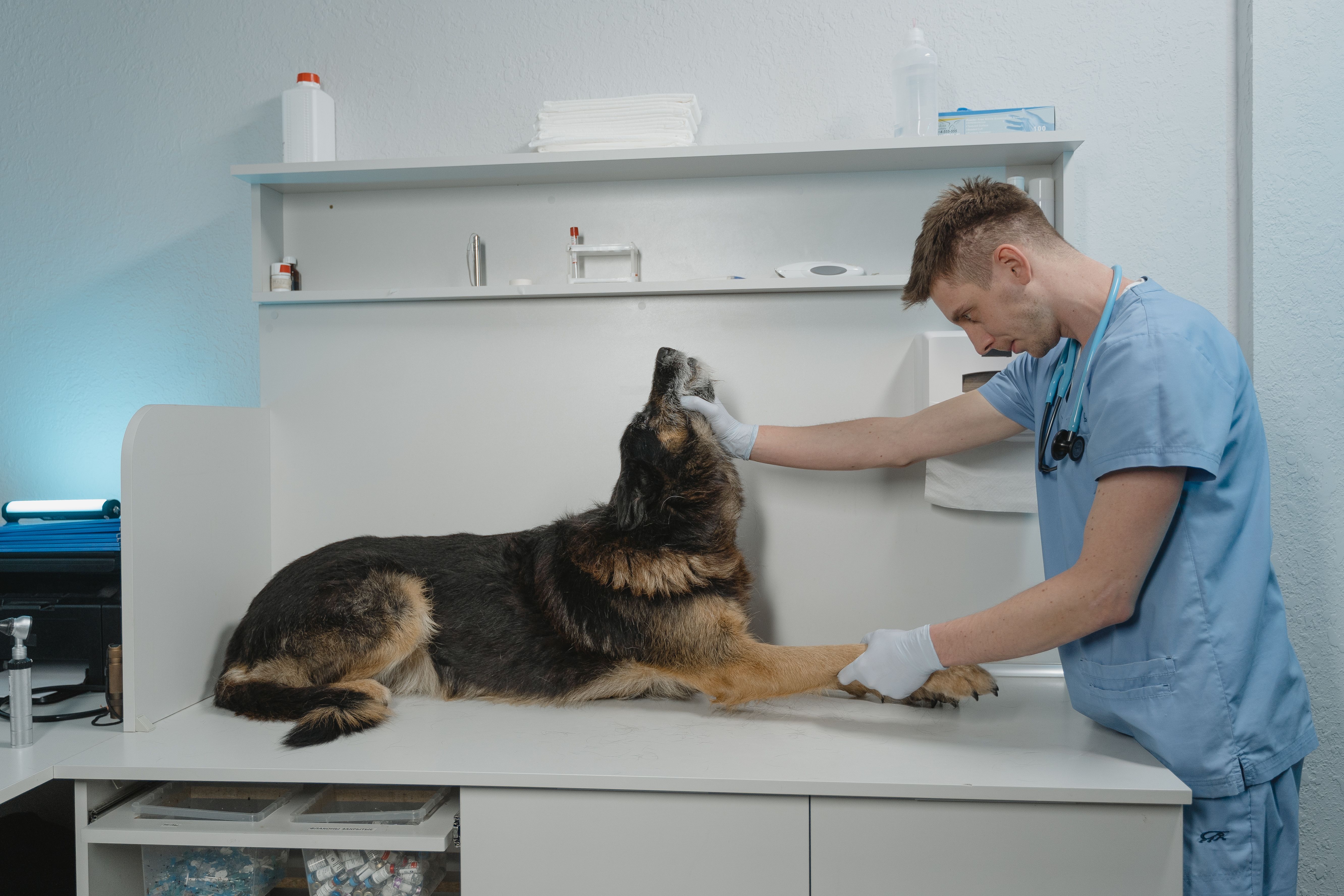
Learn how direct mail helps veterinary practices reach new pet owners, track ROI, and drive calls with offers, timing, and smart targeting.
.svg)
When your schedule is full but your growth still feels unpredictable, the problem is rarely clinical quality; it is visibility and timing. Many veterinary practices rely heavily on digital marketing for vets, yet they still see slow weeks, seasonal dips, or a frustrating pattern where new clients say, “We meant to call, but we forgot.” Direct mail for veterinary marketing solves a different part of the new client acquisition puzzle than social media or search ads. It puts a tangible reminder into the hands of local pet owners at the exact moment they are making decisions about where to take their pets.
Direct mail also gives you something many practice owners crave: clearer attribution. With the right offer, targeting, and tracking, you can tie calls and booked appointments back to a specific campaign instead of guessing which channel “probably” worked. At VeterinaryMarketing.com, we view veterinary direct mail as a high-leverage tool when it is used strategically, especially for practices that want steady local reach, measurable response, and a reliable way to introduce their clinic to new movers and nearby neighborhoods.
Search marketing and social media are powerful, but they are not always sufficient on their own. In many markets, Google Ads for veterinarians can become expensive, SEO takes time to build, and social feeds are crowded with distractions. Even when your online presence is strong, you are still competing for attention in a space where pet owners are scrolling quickly and comparison shopping is easy.
Direct mail for veterinary marketing addresses a different reality: many pet owners make veterinary decisions locally and habitually. They choose a clinic near home, stick with what feels familiar, and respond to prompts that arrive at the right moment, such as when they move, adopt a pet, or realize they are overdue for preventive care. A well-timed postcard can reach a household that is not actively searching online today but will need a veterinarian soon. For a practice owner, that means direct mail can help smooth out demand and build awareness in the exact radius you want to grow.
Veterinary direct mail typically involves sending postcards or letters to targeted households within a defined geography, often with a clear offer and a simple call to action. The “targeted” part is what separates modern direct mail from the old approach of blanketing an entire zip code. Today, practices can focus on new movers, certain household demographics, neighborhoods within a drive-time radius, or areas where your ideal clients tend to live.
In practical terms, a campaign might mail 5,000 postcards to new movers in the last 30 to 90 days within five miles of your animal hospital, with a message that introduces your team, highlights hours and services, and includes a new client offer. The goal is not to educate pet owners on everything you do; the goal is to create enough trust and urgency for them to call, book online, or save your information for the next need.
If you want a deeper look at how this channel is structured specifically for vet clinics, our veterinary direct mail marketing services page breaks down the approach and where it fits in a broader veterinary marketing strategy.
One reason direct mail is gaining renewed interest is that it can be tracked more cleanly than many practice owners assume. Tracking usually involves a dedicated call tracking number, a unique URL or landing page, and sometimes a simple promo code that your front desk can enter at booking. When those elements are set up correctly, you can see how many calls came from the mailing, how many turned into booked appointments, and what the approximate cost per new client looks like.
This matters because “response rate” alone is not the metric that determines success. A campaign can have a modest response rate but still be profitable if the households reached are a strong fit, the offer attracts the right type of new clients, and your team converts inquiries into booked visits. Direct mail becomes a real growth lever when it is treated as a measurable acquisition channel, not a branding expense.
The biggest driver of performance is not the postcard design; it is who receives it and when. For most veterinary practices, new movers are a high-intent audience because they are actively rebuilding routines, including finding a local veterinarian. Another strong use case is radius targeting around your clinic, especially if you are trying to grow in a specific direction due to competition, road access, or where your current clients live.
Timing also influences outcomes. If you mail once and stop, you may miss households that saw the card but did not need you that week. Many practices see better results when they plan a short series, such as multiple touches over several weeks or months, because repetition builds familiarity. This is particularly important for preventive care messaging, where pet owners may not feel urgency until a reminder lands at the right time.
A scenario many practice managers recognize is the “almost client.” A pet owner keeps your postcard on the counter, then calls two weeks later when their dog develops an ear issue or they realize they are overdue for vaccines. Your mail piece did not create the medical need; it positioned your practice as the obvious next step when the need appeared.
The offer should reduce friction and create a reason to act now, but it should also protect your schedule and revenue goals. In veterinary marketing, the most sustainable offers tend to be straightforward and easy to explain at the front desk. Many clinics choose a new client exam incentive, a preventive care bundle entry point, or a limited-time credit toward services. The key is aligning the offer with what your practice can deliver consistently and profitably.
Common pitfalls are making the offer too complicated, attaching too many conditions, or promoting something that is difficult to schedule. If a pet owner calls and your team has to explain exceptions for five minutes, conversion drops. Another frequent mistake is discounting a service that does not lead naturally to long-term care. You want the first visit to be the beginning of a relationship, not a one-time transaction.
Your copy also matters more than most clinics expect. Direct mail has limited space, so every line should earn its place by building trust, clarifying what to do next, and setting expectations. If you need support tightening your messaging across mail, website, and follow-up, our veterinary copy writing services can help ensure your offers and language convert without sounding gimmicky.
Design should be clean, readable, and unmistakably local. Pet owners should immediately understand that you are nearby, accepting new clients, and ready to help. Photos can help, but clarity wins. Your headline should communicate the primary benefit, your offer should be easy to grasp, and your call to action should be singular. When you ask people to call, book online, follow three social pages, and scan a QR code, response typically drops because the next step is unclear.
Conversion also depends on what happens after the mail lands. If your front desk team is not prepared, you will pay for calls that do not turn into appointments. Practices get better results when they align internally on how to answer direct mail inquiries, how to quote the offer, and how to schedule the first visit promptly. Even something as simple as ensuring your voicemail message mentions accepting new clients and provides clear next steps can influence results.
Many clinics also improve performance by matching the direct mail message to the landing page or website experience. When a pet owner visits your site after receiving a postcard, they should see consistent language, the same offer details, and an easy way to book. This is where direct mail pairs well with other veterinary practice growth channels, because your online presence supports conversion once the mail creates awareness.
Direct mail results vary by market, list quality, offer strength, and how well your team converts inquiries. In general, practices should approach direct mail as a measurable test-and-improve channel. The first campaign is often about establishing baseline metrics, such as cost per call, call-to-appointment conversion rate, cost per new client, and the early value of those new client visits. Over time, you refine targeting, creative, and offers to improve efficiency.
A practical way to evaluate ROI is to look beyond the first invoice. Many veterinary practices generate the real return through retention, preventive care compliance, and future visits over the next 12 months. That does not mean you should ignore immediate performance; it means you should track both short-term acquisition cost and longer-term new client value. If your practice has strong client experience and follow-up systems, direct mail can be a reliable feeder for long-term relationships.
Timeline expectations should also be realistic. You can often see response within days of delivery, but a portion of households will respond weeks later. This delayed response is one reason call tracking and campaign-specific landing pages matter; they help you attribute late conversions instead of assuming the campaign “did not work.”
Direct mail is strongest when it is integrated into a broader veterinary marketing plan. A pet owner might receive your postcard, then Google your clinic name, read reviews, and finally call. If your online visibility is weak, you may lose that opportunity even though the mail created the initial interest. This is why many practices pair direct mail with foundational digital marketing for vets, particularly local search visibility and strong conversion pages.
If you are investing in long-term visibility, veterinary SEO services can help ensure pet owners who search after receiving your mail piece find a credible, competitive presence. If you want to capture high-intent searches immediately, Google Ads management for veterinary practices can complement direct mail by converting the “I need a vet now” moments that mail cannot time perfectly. In many markets, the practices that grow most consistently are the ones that combine channels so each one supports the others, rather than hoping a single tactic carries the full load.
Getting started is usually simplest when you choose one high-potential audience, one clear offer, and one tracking setup, then run a campaign long enough to learn. Once you have real numbers, you can decide whether to expand the radius, add a second offer for a different service line, or increase frequency to build familiarity.
Direct mail for veterinary marketing works best when you treat it like a trackable acquisition channel, not a one-off postcard. The practices that see consistent gains focus on smart targeting, a simple offer that protects profitability, and a conversion path that makes it easy for pet owners to call and book. When those pieces are aligned, direct mail can help you reach households that are not actively searching today, build local familiarity quickly, and create a steadier flow of new clients over time.
If you want a clear plan that fits your market, budget, and growth goals, start with a baseline assessment of what is already working and where you are losing opportunities. Get your free marketing analysis and we will help you identify the highest-impact next steps, whether that involves veterinary direct mail, SEO, PPC, or a coordinated strategy. If you prefer to talk through options with a specialist, you can also Contact our veterinary marketing team to discuss targeting, offers, and how to measure ROI without adding more workload to your already busy practice.


We help 100’s of veterinarians get new clients online with custom-built websites, cloud hosting, built-in SEO, analytics, custom blog with social media integration, and our web management team to handle everything for you.


