Veterinary Marketing Copywriting That Wins New Clients
Learn veterinary marketing copywriting tips for websites and ads that build trust with pet owners, boost calls, and convert more new clients.
.svg)
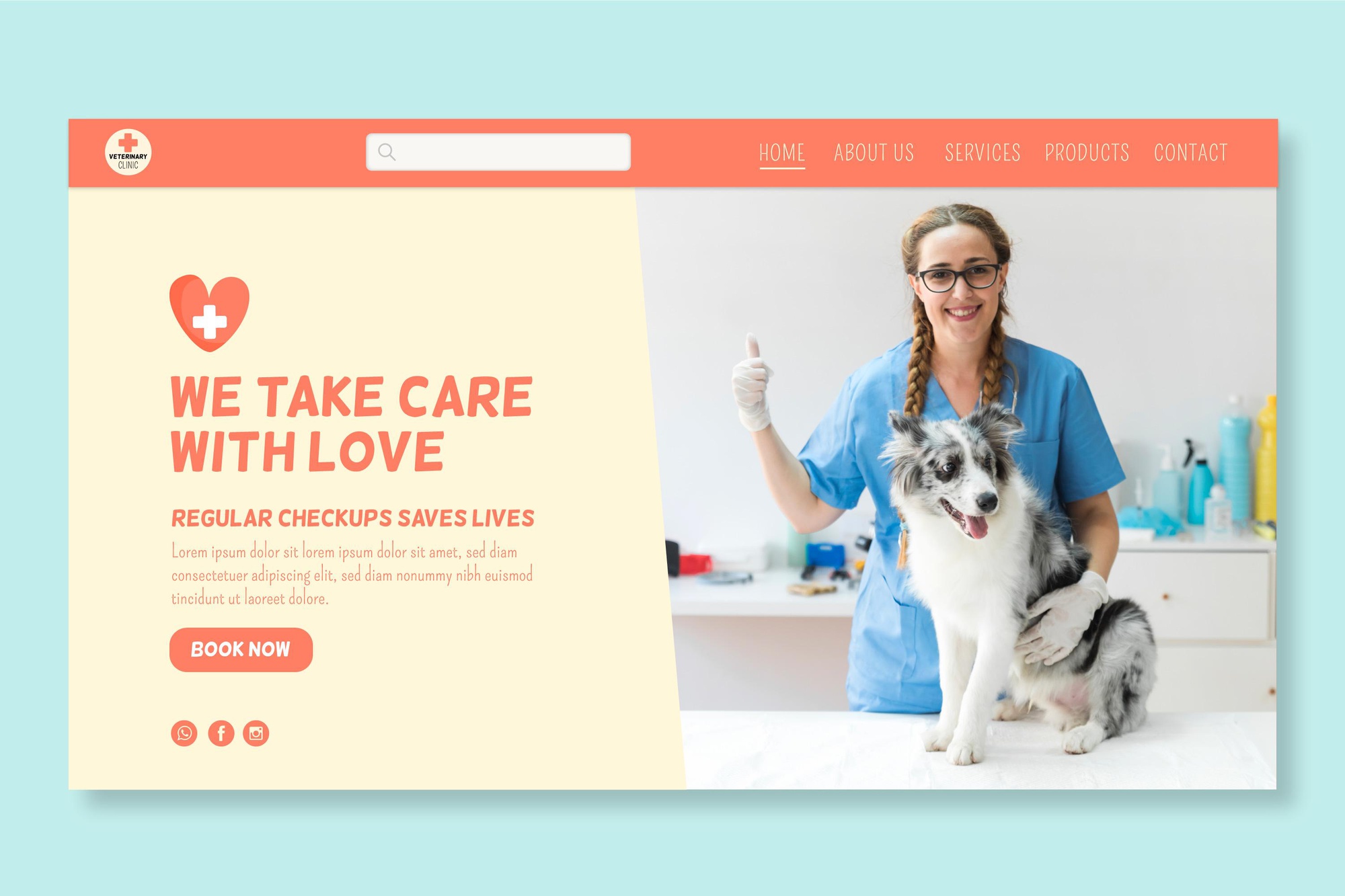
Learn veterinary marketing copywriting tips for websites and ads that build trust with pet owners, boost calls, and convert more new clients.
.svg)
If your vet clinic has a solid medical team and a steady schedule but your marketing still feels unpredictable, the issue is often not your services; it is your message. Pet owners do not become new clients because a practice says it is “compassionate” or “full service.” They call because your website and ads quickly answer the questions running through their heads, such as “Will you treat my pet like family?”, “Can I get in soon?”, and “Is this the kind of clinic people like me trust?”
That is where veterinary marketing copywriting becomes a growth lever. The right words reduce hesitation, build credibility, and move a pet owner from scrolling to scheduling. At VeterinaryMarketing.com, we see this constantly across veterinary websites, Google Ads, and landing pages; practices often have strong clinical value, but their copy does not translate that value into clear reasons to choose them.
In this guide, you will learn practical veterinary marketing copywriting tips you can apply to your website and ads to boost calls, increase appointment requests, and improve new client acquisition without sounding pushy or salesy.
Most pet owners are not comparing veterinary medicine in detail; they are comparing confidence. They want to know whether your animal hospital feels trustworthy, whether your team seems approachable, and whether the next step is easy. When your copy is vague, pet owners fill in the gaps with uncertainty. They may keep searching, choose the clinic with clearer messaging, or delay care.
In practical terms, veterinary marketing copywriting works because it reduces friction in decision-making. It gives pet owners a simple narrative: here is what we do, here is who it is for, here is why it matters, and here is how to book. When that narrative is consistent across your homepage, service pages, and ads, your marketing becomes more efficient. Your Google Ads click costs go further, your website traffic converts at a higher rate, and your front desk receives calls from people who already feel aligned with your practice.
A common scenario is a busy practice manager investing in digital marketing for vets, seeing traffic rise, and still wondering why appointment requests are flat. Often the website copy is not matching the intent of the visitor. Someone searching “vet near me open Saturday” needs scheduling clarity and reassurance, not a long paragraph about your mission statement.
In veterinary marketing, copy is not about clever slogans; it is about clarity and trust. Strong copy typically includes a clear value proposition, specific services framed around pet owner needs, and proof that you deliver what you promise. It also includes conversion elements, such as calls to action that tell people exactly what to do next, plus the supporting details that remove doubt, such as hours, location cues, financing options if applicable, and what to expect at the first visit.
Another important point is tone. Pet owners want warmth, but they also want competence. The best veterinary marketing copywriting strikes a balance between compassionate language and confident guidance. It sounds like a helpful team that has done this thousands of times, not like a corporate template.
Your website copy is your 24/7 receptionist. It sets expectations, answers objections, and routes visitors to the right action. Your ad copy is your first impression in a crowded search results page. Your landing page copy is the bridge between interest and conversion; it should closely match the promise of the ad and make the next step feel safe and simple.
If you are planning a website refresh, it helps to think about copy early, not as a final step. Design can make a site look modern, but copy is what makes it persuasive. If you are evaluating a rebuild or want a site that supports veterinary practice growth, a strong foundation often starts with strategy-driven content and SEO structure, which is why practices frequently pair messaging improvements with custom veterinary websites with SEO and analytics.
A homepage that tries to be everything to everyone usually converts no one. Instead, lead with one primary promise that matches what your ideal new clients care about most. For some practices, that is same-day urgent care access; for others, it is fear-free handling, advanced dentistry, or a relationship-driven family vet clinic experience. The key is to choose a promise you can back up operationally, then reinforce it with specifics that make it believable.
Specifics can include the types of appointments you prioritize, what your team is known for, and what a first visit looks like. If you offer online booking, say it clearly. If you have extended hours, state them prominently in the copy, not buried in a footer. If you welcome anxious pets, describe how you approach calmer visits. This is where many practices miss the mark; they claim “compassionate care” but never explain what compassion looks like in the exam room.
A useful exercise is to listen to your own client conversations. The phrases pet owners use on the phone, such as “I’m a first-time puppy owner,” “My cat hates carriers,” or “I just moved here,” are often the best raw material for high-converting copy.
Veterinary SEO is not only about keywords; it is about matching the reason someone searched. A service page titled “Vaccinations” might rank, but it may not convert if the copy does not address what pet owners actually worry about, such as safety, scheduling, and what vaccines are required for boarding or daycare. Similarly, a page about “Spay and Neuter” should anticipate questions about timing, recovery, pain management, and pre-op instructions.
This is also where structure matters. A page that opens with a short, clear overview, then answers common questions in natural language, tends to perform well for both conversion and SEO. Google increasingly rewards content that demonstrates helpfulness and clarity, and pet owners reward it with trust.
If you want your copy to support long-term visibility, pair copywriting with a strategy for veterinary SEO marketing that aligns pages to high-intent searches in your local market. Many practices benefit from professional guidance here, and it is worth understanding what veterinary SEO marketing services typically include so your content and technical SEO are working together.
A call to action should not feel like a sales pitch; it should feel like help. “Request an appointment” is fine, but it often converts better when supported by context. Pet owners hesitate when they are not sure what happens after they click. Your copy can reduce that hesitation by setting expectations, such as confirming response times, explaining whether a deposit is required, or clarifying urgent care instructions.
Common mistakes are making the call to action too generic, placing it only at the top or bottom of the page, or using language that feels high-pressure. Another frequent issue is asking for too much too soon. If your form is long and your copy does not justify why you need the information, some pet owners will abandon it and call another clinic.
For paid ads, the same principle applies. In Google Ads for veterinarians, the ad copy and landing page must match. If your ad says “Same-Day Appointments Available,” but the landing page talks generally about wellness care without confirming availability, you create doubt. If you are running paid search and want your messaging to align from keyword to ad to page, it may be helpful to review how Google Adwords veterinary PPC marketing campaigns are structured so copy, targeting, and conversion tracking support each other.
Veterinary marketing copywriting improvements typically show up first in conversion metrics, not vanity metrics. You may not see more traffic immediately, but you should watch for more calls, more appointment requests, higher form completion rates, and better quality inquiries. In paid channels, stronger copy and tighter message match can also improve click-through rate and conversion rate, which can lower your cost per lead over time. In organic search, clearer, intent-matched pages can improve engagement signals, which can support SEO performance as your content earns trust.
Timeline depends on where the copy lives. Website copy changes can impact conversions as soon as the updated pages are live, especially on high-traffic pages like the homepage, appointment page, and core service pages. SEO-driven copywriting is more gradual; it typically takes time for search engines to recrawl, reassess relevance, and adjust rankings. Practices in competitive areas may need consistent content and optimization over several months to see meaningful movement in local visibility.
It is also important to connect copy performance to operations. If your copy generates more calls but your hold times are long, results will be capped. The goal is alignment; marketing should set accurate expectations that your team can deliver, and your front desk process should make it easy to convert interest into scheduled visits.
Most practice owners and managers do not have time to rewrite an entire website in one sitting. A realistic approach is to start where the ROI is highest. That often involves reviewing your homepage message, your primary conversion path, and the pages that attract high-intent traffic, such as urgent care, new client information, and top revenue services like dentistry or surgery consultations.
From there, you can build consistency across channels. Your Google Ads headlines should echo your website’s primary promise. Your social media for vet practices should reinforce the same positioning with stories and proof. Your email reminders and new client welcome sequence should use the same tone and reduce the same objections. When messaging is consistent, your marketing feels more trustworthy because pet owners experience one coherent brand.
If you want expert help developing and deploying copy that fits your voice, supports veterinary practice growth, and converts more new clients, it can be useful to explore Copy Writing services tailored for veterinary marketing. The advantage of specialized veterinary copywriting is that it accounts for the realities of appointment flow, seasonality, emotional decision-making, and the trust requirements unique to animal hospitals.
Veterinary marketing copywriting is one of the most practical ways to improve new client acquisition because it makes every channel work harder. When your website clearly communicates what you do, who you help, and how to book, you reduce hesitation for pet owners and reduce wasted spend in paid advertising. When your ads mirror the language and intent of your landing pages, you create a smoother path from search to scheduled appointment. When your tone balances empathy with confidence, you build trust before a pet owner ever meets your team.
If you want a clear, objective view of where your messaging is helping or hurting conversions, start with a professional review. Get your free marketing analysis and we will identify the highest-impact copy and conversion opportunities across your website and key marketing channels. If you are ready to talk through priorities, timelines, and what is realistic for your market, Contact our veterinary marketing team. With the right strategy and the right words, veterinary marketing copywriting can become a dependable driver of calls, appointment requests, and sustainable veterinary practice growth.


We help 100’s of veterinarians get new clients online with custom-built websites, cloud hosting, built-in SEO, analytics, custom blog with social media integration, and our web management team to handle everything for you.


